



By the Corporate Affairs Unit, Zambia Environmental Management Agency
When the Minister of Finance and National Planning, Hon. Dr. Situmbeko Musokotwane, MP, rose in Parliament on 6th November 2026 to present the 2027 National Budget, much of the attention was on growth: more copper, more food, more power, more jobs. But behind the K284.8 billion plan lies a quieter message that matters to every Zambian. The country’s growth must be built on a healthy environment, and on regulators who can keep pace with investment.
The budget, themed “Grow Zambia: From Stabilisation to Unlocking Opportunities, Creating Jobs and Improving Livelihoods for All,” is the first of the Ninth National Development Plan period (2027–2031). It is anchored on the Grow Zambia Agenda (10-10-5-3-3-1-1-1). For the Zambia Environmental Management Agency (ZEMA), it sets out both a clear expectation and a real opportunity.
From paper files to digital services
For many investors, the first contact with ZEMA is an Environmental Impact Assessment. It is the process that checks whether a mine, a factory, a farm block or a road can go ahead without harming people and nature. In the 2027 Budget, Government committed to enforcing the amended statutory timelines for environmental approvals, digitising licensing and EIA processes, and adopting simplified assessment procedures to cut administrative delays.
ZEMA has already started down this road. The Environmental Management (Environmental Impact Assessment) Regulations, 2026 (Statutory Instrument No. 3 of 2026), which came into effect on 9th January 2026, shortened review timelines and introduced a risk-based approach. Projects with a low environmental impact now move faster, while closer attention goes to those with greater risk.
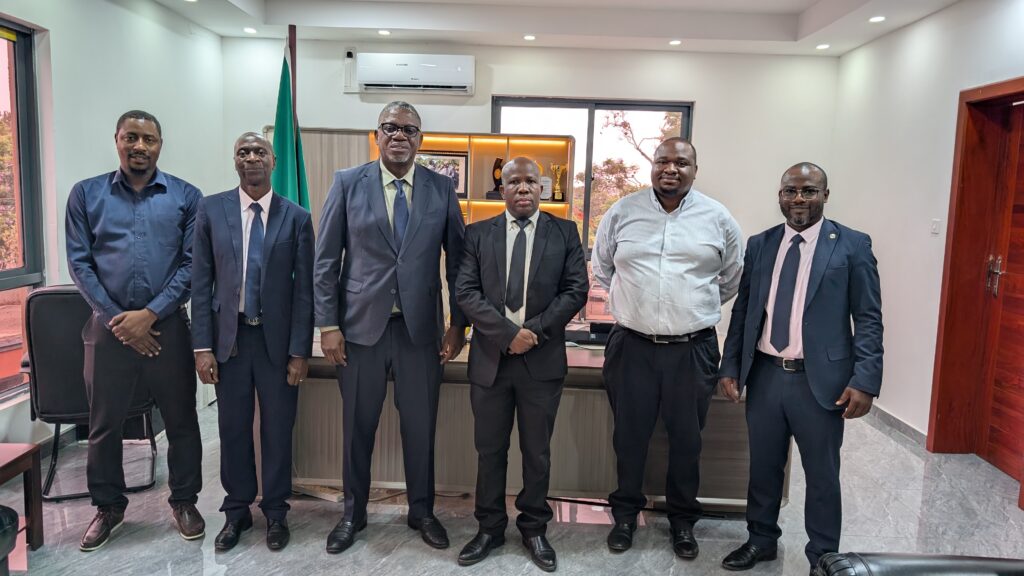
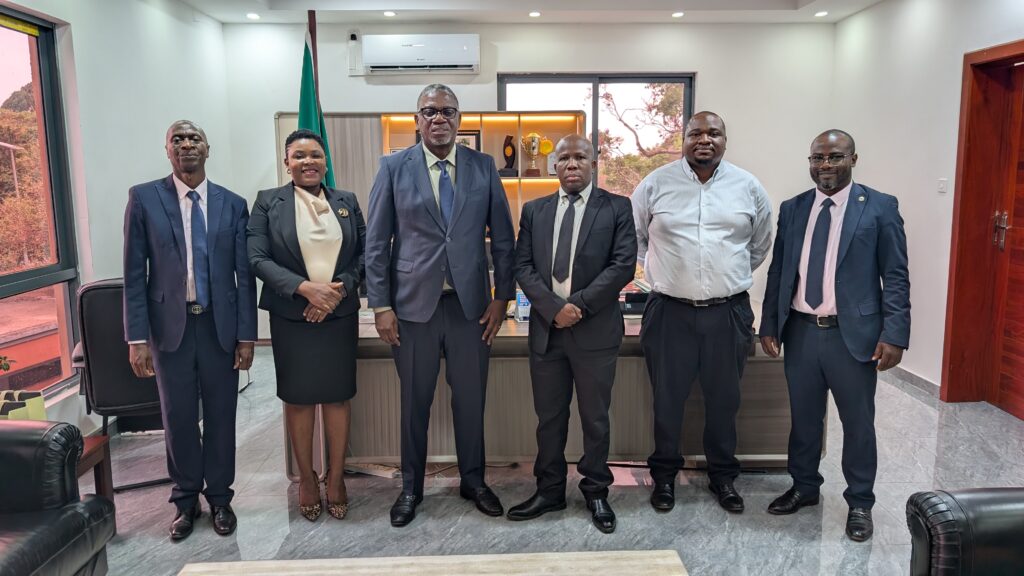
The next step is digital. ZEMA is working with the SMART Zambia Institute to move its services online, with EIA applications as the priority. Licensing services are already on the platform. Earlier this month, the Director General, Dr Joel Kabika, paid a courtesy call on the SMART Zambia Institute National Coordinator Percy Chinmaya to take this collaboration forward. The goal is simple: a developer in Solwezi, Chipata or Mongu should be able to apply, pay and track an application without travelling to an office, and know exactly where it stands at every step.
Taxing the plastic problem
Anyone who has walked past a blocked drain after the rains knows the cost of plastic waste. The 2027 Budget takes this on directly. Excise duty on single-use plastics will double from 100% to 200%. Duty on selected plastic articles rises from 15% to 30%, and a new specific excise duty is being introduced on plastic bottles. Government says the measures are meant to discourage littering and to support local glass bottle production.
For ZEMA, the timing could not be better. Just days before the budget, on 3rd November 2026, the Agency brought together producers, recyclers, local authorities and other stakeholders to strengthen partnerships under the Extended Producer Responsibility (EPR) framework. Tax, law and partnership are now pulling in the same direction. But the change also depends on every household. Carrying a reusable bag, refilling a bottle or simply putting rubbish in a bin are small choices that add up.
Turning trees and carbon into opportunity
The budget also looks to the future of climate finance. Government committed to developing carbon markets by building institutional capacity, maintaining the National Carbon Registry and improving how carbon credits are verified. The registry, launched in August 2026 and housed at ZEMA, is the system through which Zambian projects that reduce emissions can be recorded and connected to international carbon markets.
Alongside this, the budget commits to intensifying forest conservation and landscape restoration, including curbing illegal logging, and to expanding digital climate advisory services from about 1 million to 4 million farmers by 2029. In the mining sector, the tax on gold sold by artisanal and small-scale miners to approved aggregators drops from 6% to 3%. Bringing more of this gold into formal channels also makes it easier to address concerns such as mercury use, land degradation and water pollution.
More projects, one shared responsibility
The scale of the investment ahead is striking: new and expanded mines, farm blocks along the TAZARA, Lobito, Nacala and Western corridors, more than 1,400 MW of new power generation, new railways, roads, airports and a petroleum pipeline. Each of these projects will pass through ZEMA’s doors.
That is why the Agency is calling on developers to make the environment part of their plans from day one. Engaging ZEMA early, submitting complete and accurate documents, and consulting affected communities meaningfully, as the law requires, are the surest ways to move through the approval process without costly delays. When communities are consulted and their concerns addressed, projects are stronger and more likely to last.
Growth that lasts
The 2027 Budget makes one thing clear: Zambia’s growth story and its environmental story are now the same story. Faster approvals and stronger protection are not competing goals. Both are part of one promise to investors, to communities and to future generations.
ZEMA is ready to play its part by delivering services that are timely, digital and transparent, while holding every project to the standards that protect Zambians’ health and their land, water and air.
ZEMA: Growing Zambia responsibly.
